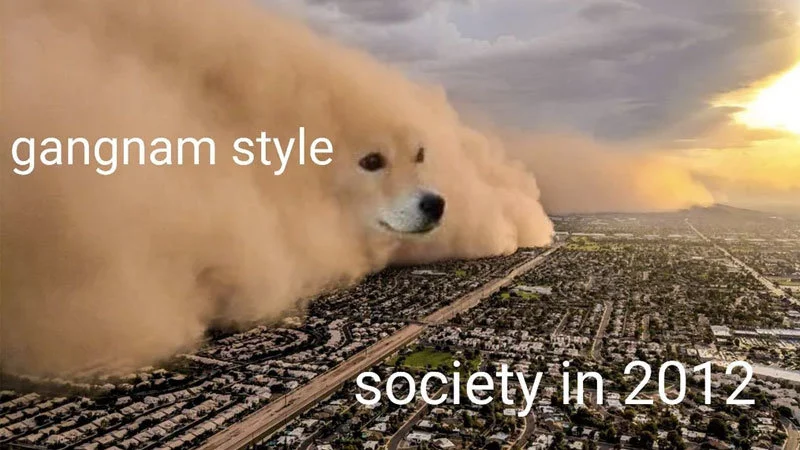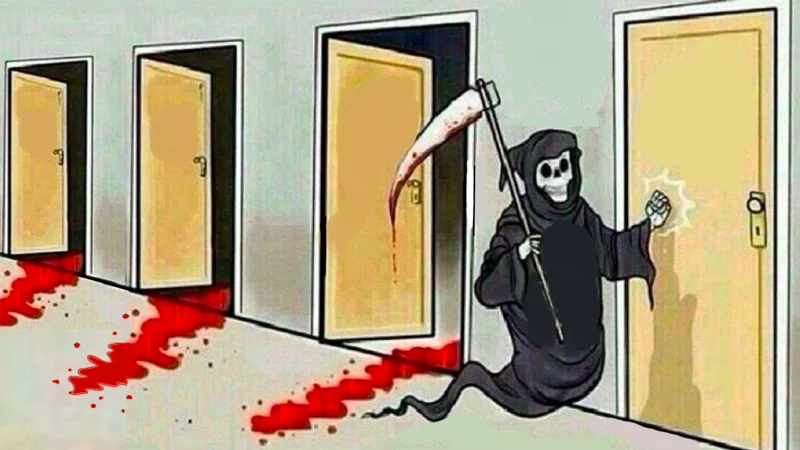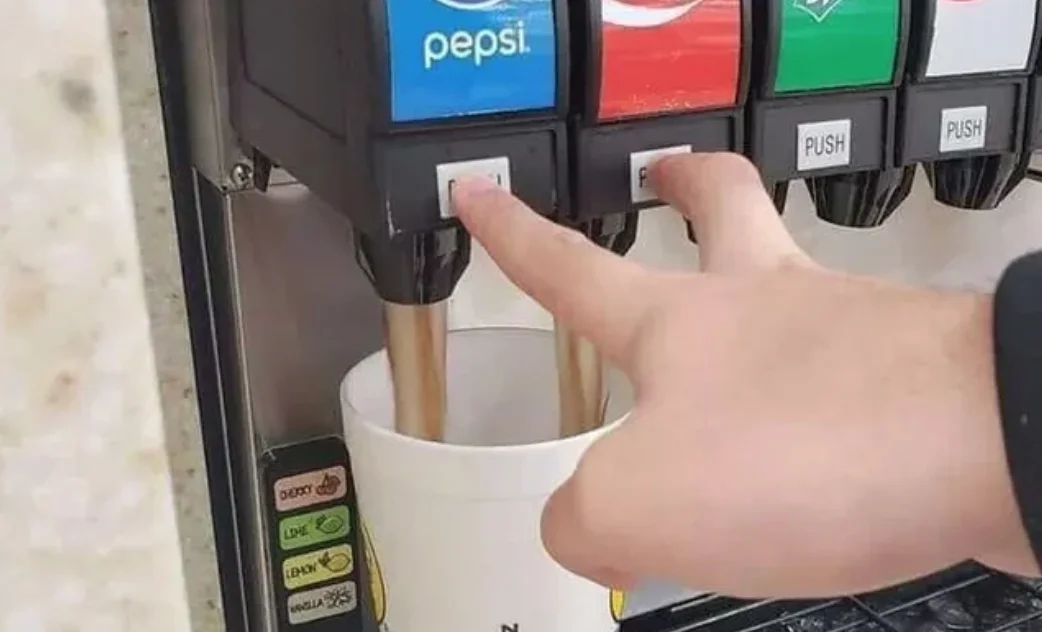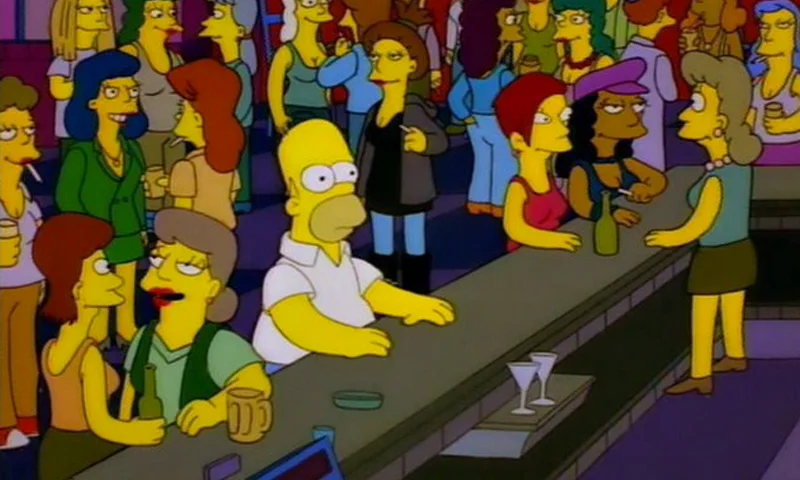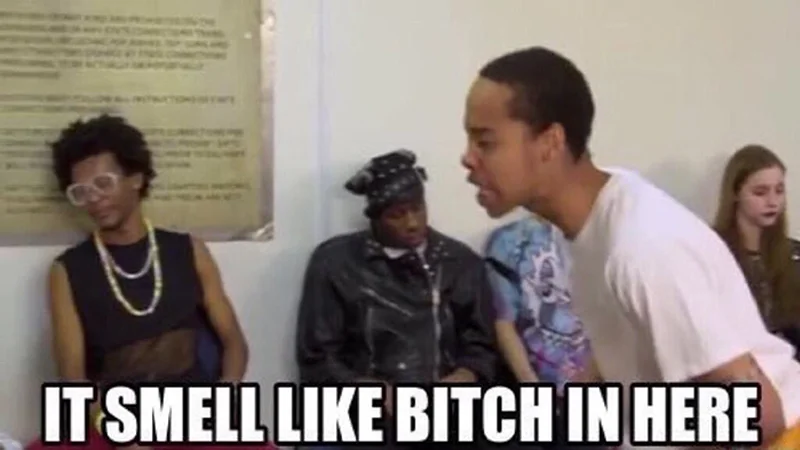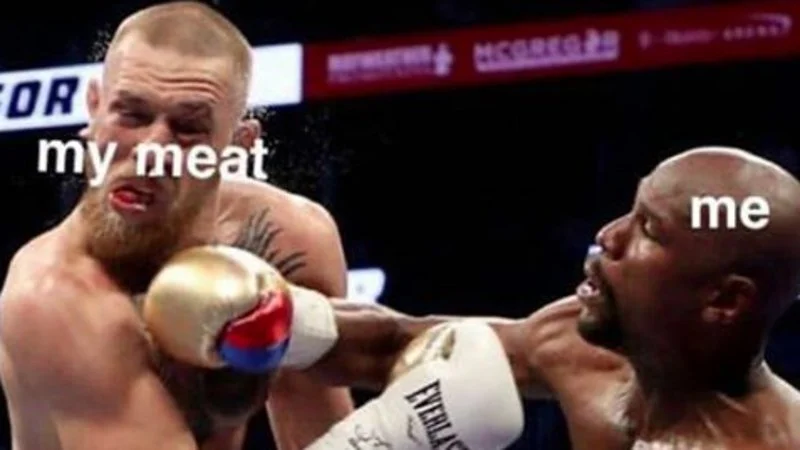
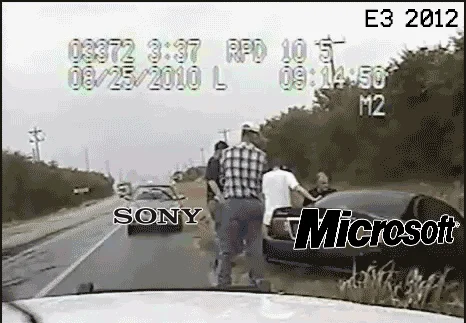
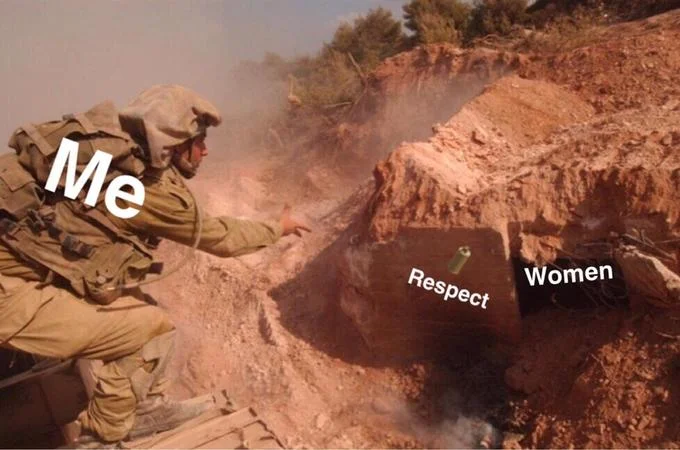
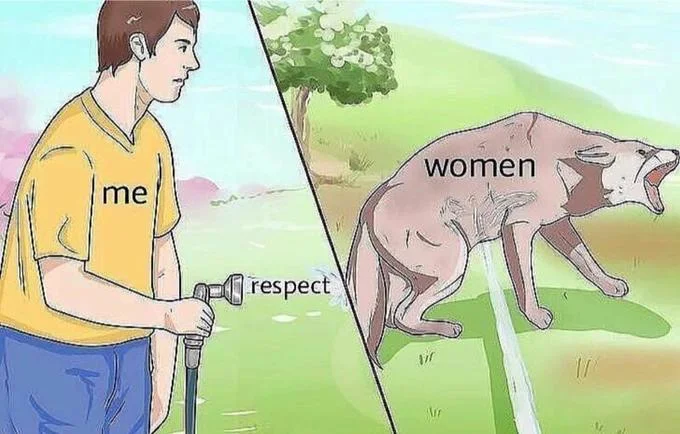
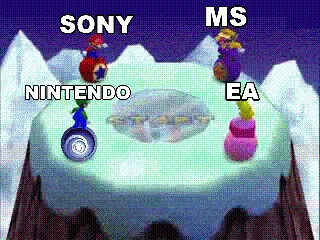
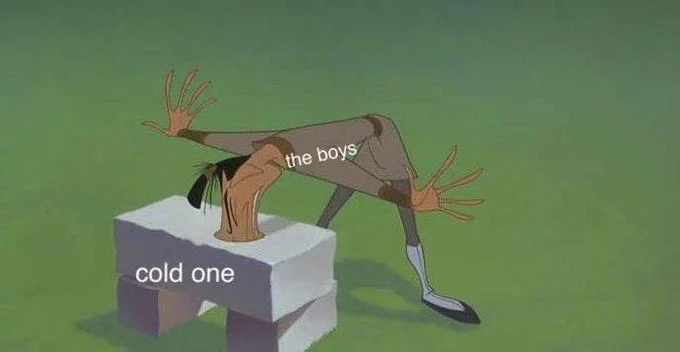
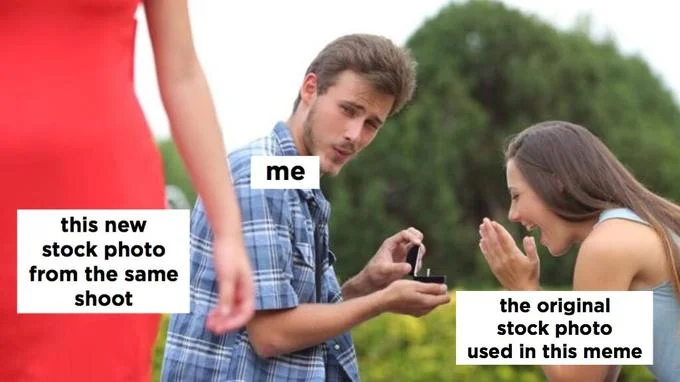
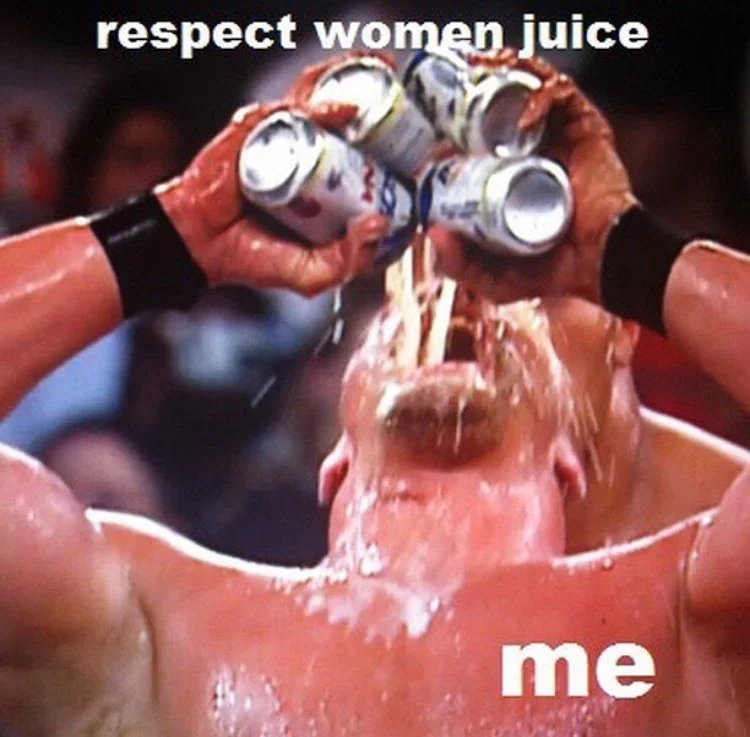
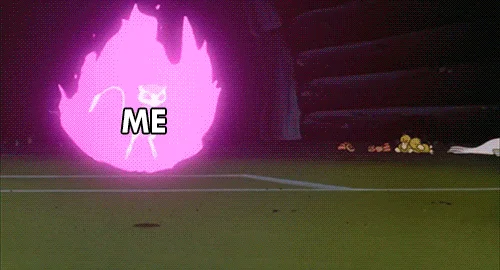
Object labeling is a meme format where text labels are added to people, animals, or objects in an image to turn them into metaphors for something else entirely. While its roots trace back to political cartoons from as early as 1754[1], the modern version became the dominant way people create and share memes online.
Origin
Object labeling as a concept is ancient. Benjamin Franklin's "Join, or Die" cartoon, published in The Pennsylvania Gazette on May 9, 1754, used labeled segments of a snake to represent the American colonies[1].
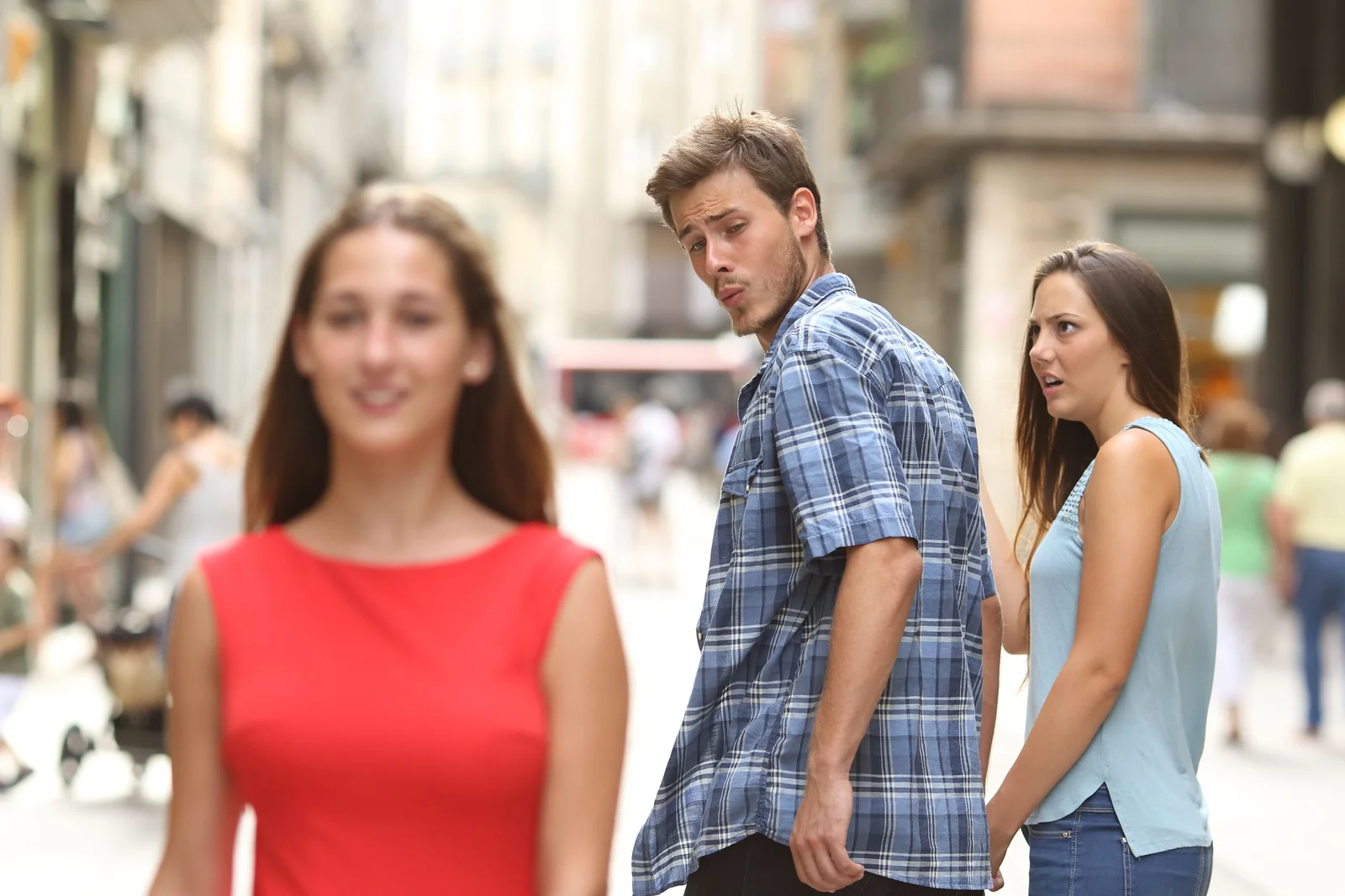
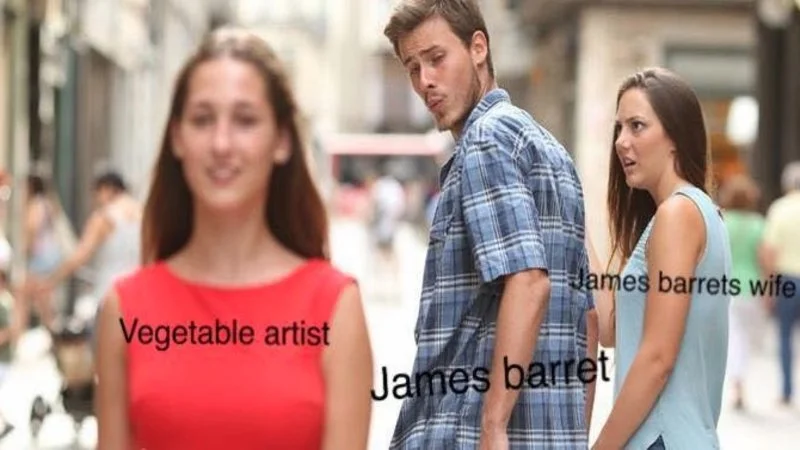
The modern meme version started appearing in mid-2017. Then the Distracted Boyfriend stock photo arrived. The image of a man turning to ogle another woman while his girlfriend looks on in disbelief had already gone viral in summer 2017, but it was the addition of crude white text labels that launched it into a new category[2]. The much-shared version labeling the boyfriend as "the youth," the girlfriend as "capitalism," and the other woman as "socialism" showed exactly how powerful the format could be[2].
It wasn't until February 2018 that Downer realized the trend needed a name. He told Slate: "After seeing a bunch of them come through, I talked to everyone else on the staff and was like, 'We need a name for this thing. What should we call it?' And we came up with 'object labeling'"[2]. He admitted the name was "a little clunky" but it stuck[2]. The specific meme that made it click for him was the razzle dazzle bird[2].
- Platform: Twitter, Reddit (viral spread)
- Creator: Community-created (format)
- Date: 2017
Overview
Object labeling works on a simple idea: take a photo or illustration with clear visual relationships between its subjects, then slap text labels on each element to recast the whole scene as a comment on something unrelated. The boyfriend in a stock photo becomes "the youth," his girlfriend becomes "capitalism," and the other woman becomes "socialism." A boy blasting a trumpet at a cringing girl becomes "vegans" annoying "everyone else"[2].
The format is flexible enough to work with almost any image that has distinct elements interacting with each other. Unlike older image macros that placed bold Impact font text at the top and bottom of a picture, object labels sit directly on the subjects themselves, usually in plain white text boxes[2]. This placement is key: it transforms the people and objects in the image into stand-ins, creating layered jokes that can range from broad political commentary to deeply niche observations about astrology signs or cooking show contestants[2].
How It Spread
After the Distracted Boyfriend made labeled memes a mainstream format in summer 2017, the style spread rapidly through fall 2017 and into early 2018[2].
In February 2018, a photo of a boy playing a trumpet at a visibly annoyed girl went viral. Meme-makers labeled the boy as everything from "vegans" (with the girl as "everyone else") to "me loudly broadcasting my depression" (with the girl as "the people closest to me making a concentrated effort to not listen")[2].
That same month, the Twitter account @astrobebs posted a labeled version of Lisa Simpson holding a coffee mug for every Zodiac sign. One version labeled Lisa as "Scorpio" with a hand pouring coffee from a pot labeled "claiming to not be petty but making a list of people not allowed to your birthday party"[2]. Another popular template featured a car swerving off a highway toward an exit ramp, with one version casting the car as a "Chopped contestant" choosing to use the ice cream maker instead of "making a simple dessert, executing the basket ingredients well"[2].
By March 2018, when Slate published its feature on the trend, object labeling had become so common that the article's author wrote: "I can hardly scroll through my timeline without coming across another example of a painstakingly annotated meme"[2].
How to Use
Pick any image where two or more elements have a clear visual relationship. The best candidates show some kind of interaction: someone reaching for something, a choice being made, one thing overpowering another, or a reaction playing out.
Add white text boxes (or simple text overlays) directly onto each element. Each label should represent a different concept, and together the labels should tell a story or make a joke when read against the visual action in the image.
Common approaches include:
- Choice/temptation format (Distracted Boyfriend, highway exit): Label the person making a choice, the thing they're choosing, and the thing they're abandoning[2]
- Annoyance format (Trumpet Boy): Label the aggressor and the victim to comment on any one-sided dynamic[2]
- Reaction format (Lisa Simpson coffee mug): Label a character and their action to represent a personality type or behavior[2]
The humor often comes from the specificity of the labels. Broad labels like "me" and "my problems" work, but the format shines brightest when the annotations get weirdly detailed and niche[2].
Cultural Impact
Slate's March 2018 feature described object labeling as potentially "the meme format of our times," noting that it had essentially replaced the advice animal as the default way people annotate images online[2]. Adam Downer explained to Slate that object labeling could be understood as the latest evolution of the image macro, which originally looked like animals with bold Impact font text. "Advice animals were the meme currency at the end of the 2000s, at the dawn of memes," Downer said. "But it seems we've evolved past making that kind of macro; now, we object-label"[2].
The format also blurred into real-world protest. The Distracted Boyfriend meme was spotted reincarnated as a protest sign, carrying its labels into physical space[2].
One thing that sets object labeling apart from older meme formats is how niche it can get. Where advice animals dealt in broad, relatable humor, labeled memes often target extremely specific audiences. A labeled meme about Chopped contestants or Scorpio astrology signs might only land with a small slice of the internet, but that specificity is part of the appeal[2].
Fun Facts
-
Benjamin Franklin's "Join, or Die" cartoon from 1754 is sometimes cited as one of the earliest examples of object labeling, though applying the term retroactively to an 18th-century political cartoon is, as Slate noted, "a stretch"[1][2].
-
The format is essentially an evolution of the image macro, which used Impact font on top and bottom of images. Object labeling moved the text onto the subjects themselves[2].
Frequently Asked Questions
What is Object Labeling?
Object labeling is a meme format where text labels are placed directly on people, animals, or objects in an image to turn them into metaphors for unrelated concepts. The visual relationships in the original image create the joke when paired with the labels[2].
Where did Object Labeling come from?
The modern format emerged on Twitter and Reddit in mid-2017, with the Distracted Boyfriend meme as its breakout example. Its conceptual roots go back to political cartoons like Benjamin Franklin's "Join, or Die" from 1754[1].
What does Object Labeling mean?
The term describes the act of adding identifying text labels to elements in an image so they represent abstract ideas. It's the difference between a funny photo and a meme with a specific point to make[2].
How do you use Object Labeling?
Find an image with clear visual relationships between its elements, then add text labels to each subject. The labels should work together with the image's action to create a joke or commentary[2].
Is Object Labeling still popular?
As of 2018, Slate described it as potentially "the meme format of our times" and the natural successor to advice animals[2]. The format became a foundational part of how memes are made.
Who coined the term "Object Labeling"?
What was the first major Object Labeling meme?
While earlier examples existed, the Distracted Boyfriend stock photo with labels identifying the three figures as proxies for broader concepts was the meme that brought the format into the mainstream in summer 2017[2].
How is Object Labeling different from image macros?
Traditional image macros used bold Impact font text at the top and bottom of an image, as seen in advice animals and lolcats. Object labeling places text directly on the subjects in the image, creating metaphorical stand-ins rather than captions[2].
Are political cartoons considered Object Labeling?
Whether this counts as "object labeling" in the meme sense is debatable.
Why do Object Labeling memes get so specific?
The format lends itself to niche humor because the labels can be as detailed as the creator wants. Unlike advice animals, which dealt in broad relatability, labeled memes can target tiny audiences with extremely specific references to everything from astrology to cooking competition strategy[2].