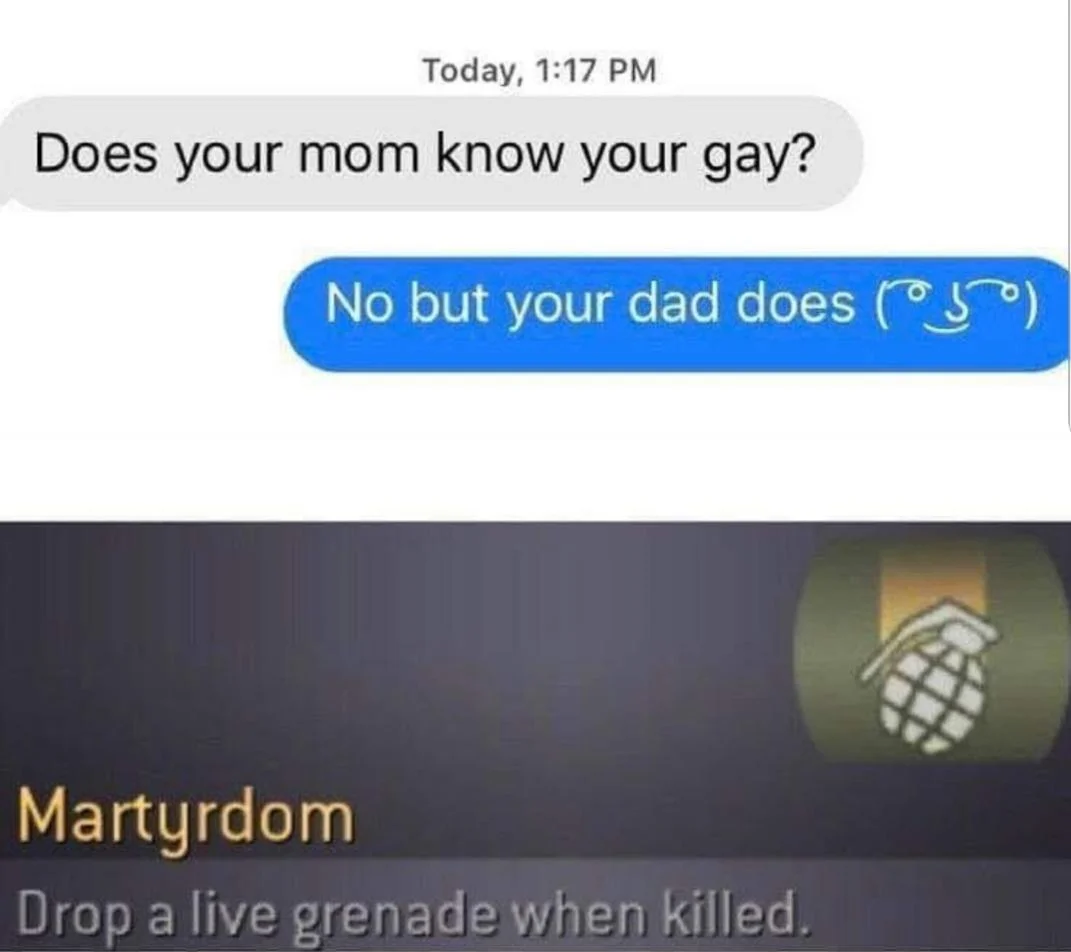
Mic Drop is the theatrical move of intentionally letting a microphone fall to the ground after nailing a performance, argument, or joke. What began as a swagger gesture from 1980s rappers and comedians got its viral push from a 2012 Barack Obama Key & Peele sketch that turned the drop into shorthand for a knockout win.
Origin
Slate's 'The History of the Mic Drop' traces the practice to rappers and comedians in the 1980s[1]. The earliest known instance is Eddie Murphy's 1983 HBO stand-up special Delirious, where he lets the microphone fall after handling a heckler[2]. Hip hop's earliest recorded reference sits inside the 1987 Eric B. & Rakim track 'I Ain't No Joke,' with Rakim rapping about slamming the mic once he is done[3].
The gesture kept surfacing through the late 80s and beyond. Eddie Murphy's fictional R&B band Sexual Chocolate closes a song with a drop in Coming to America (1988), and Chris Rock closed stand-up sets with the same move through the 2000s[3].
- Platform: Stage performance / YouTube (viral spread)
- Creator: Unknown
- Date: 1983
Overview
The gesture works as visual punctuation. A speaker delivers a knockout line, extends an arm, releases the mic, and walks away without acknowledging it[1]. Looking back at the microphone or picking it up would break the illusion of confidence the move requires[3]. Online, the phrase 'mic drop' works as a caption bolted onto arguments considered so decisive that any reply would look weak by comparison[7].
The format travels across formats. GIFs of celebrities and politicians releasing microphones show up in Twitter reply threads as debate-winners, while the written phrase closes takedown posts and viral tweets[1]. Stand-up specials, awards shows, and late-night TV have all borrowed the move as a scripted punctuation beat[3].
How It Spread
The move's shift into online meme territory started on March 19, 2007, when the channelzerotv YouTube channel uploaded footage of Big Daddy Kane dropping the mic at a Chicago concert[4]. Saturday Night Live built a recurring bit around it in 2008 with Bobby Moynihan's Obnoxious Microphone Guy, who yanks microphones from public speakers just to yell and drop them[3]. Urban Dictionary user Nicki Menagerie logged the term on October 4, 2011[7].
Barack Obama did the heaviest lifting on the term's mainstream crossover[1]. On February 7, 2012, Comedy Central uploaded a Key & Peele sketch where Jordan Peele's Obama wins a rap battle by declaring 'I'm the leader of the free world' before walking off[5]. That April, Obama himself dropped the mic on The Tonight Show after a 'Slow Jam the News' segment with Jimmy Fallon, and Google searches for the term spiked afterward[6].
Pop culture kept feeding it. Bryan Cranston dropped the mic after a 'your mother' joke at Nerd HQ on July 11, 2015, a Jack in the Box commercial had its mascot do the same later that month, and Oxford Dictionaries added 'mic drop' as an official entry on August 27, 2015[3].
How to Use
To land the move in video, hold the microphone at arm's length after your closing line, release it without looking, and walk offscreen; the pickup or nervous glance ruins the illusion[1]. In text, drop the phrase 'mic drop' at the end of an argument or takedown post and log off[7].
Frequently Asked Questions
What is Mic Drop?
Mic Drop is the theatrical gesture of intentionally letting a microphone fall to the ground after a strong performance, argument, or joke, used as a signal of unshakeable confidence[1].
Where did Mic Drop come from?
Slate traces the move to rappers and comedians in the 1980s, with the earliest known instance being Eddie Murphy's 1983 HBO stand-up special Delirious[1].
What does Mic Drop mean?
It marks the end of a decisive performance or argument, telegraphing that the speaker considers the exchange over and unanswerable[7].
How do you use Mic Drop?
Deliver your closing line, release the microphone without looking, and walk off; online, tag the end of a takedown post with the phrase 'mic drop'[3].
Is Mic Drop still popular?
By August 27, 2015, Oxford Dictionaries had added 'mic drop' as an official entry, and the gesture stayed in wide use across stand-up, politics, and late-night TV through the mid-2010s[3].