
Memes are self-replicating units of cultural information, a concept coined by evolutionary biologist Richard Dawkins in his 1976 book The Selfish Gene. The term jumped from academic theory to describing image macros, catchphrases, and viral videos with the commercialization of the internet in the mid-1990s, eventually becoming the dominant vocabulary for how ideas spread online.
Origin
The word was coined by evolutionary biologist Richard Dawkins in his 1976 book The Selfish Gene, derived from the Greek mimema, meaning 'something imitated'[1]. Dawkins wanted a short, gene-like word for a unit of cultural transmission and proposed 'meme' as the cultural analogue to the gene, subject to variation, competition, and selection[1].
For roughly two decades the term lived mostly in academic and popular-science writing about evolution and cognition[2]. That changed once the internet went commercial in 1995, when the word was picked up to describe jokes, catchphrases, and images that spread across chat clients, blogs, forums, and image boards[2].
- Platform: Print (The Selfish Gene) / Internet (viral spread)
- Creator: Richard Dawkins
- Date: 1976
Overview
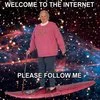
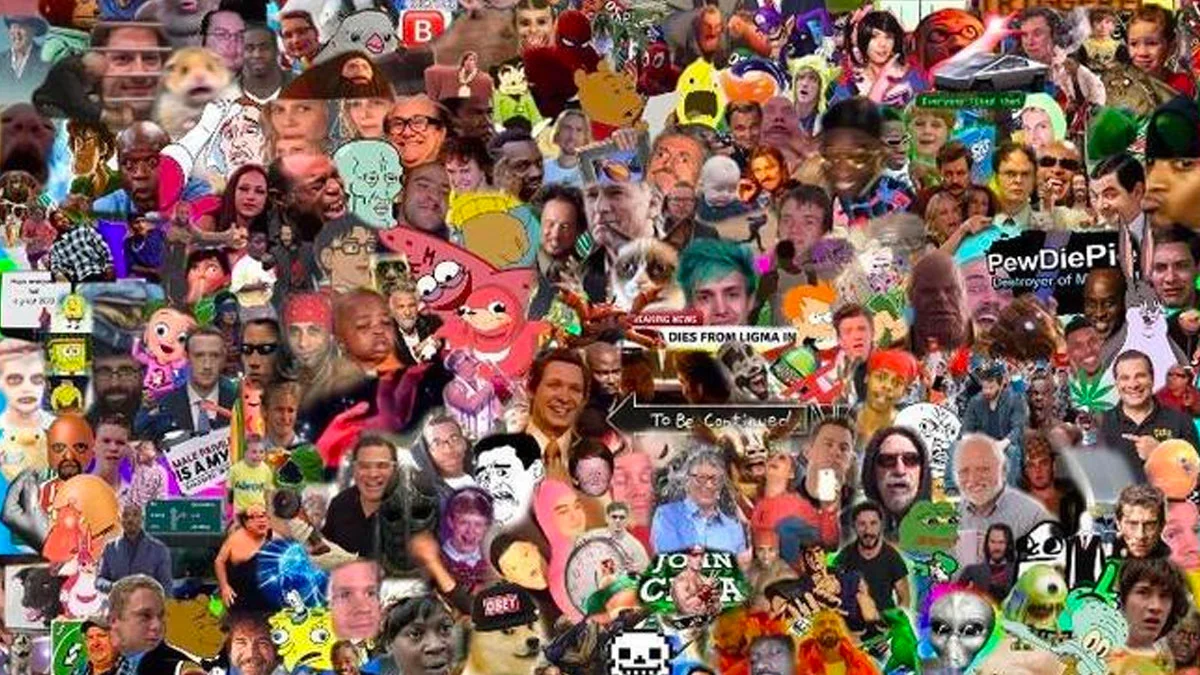
At its core, a meme is any piece of cultural information that copies itself from person to person and mutates as it travels, competing for attention the way genes compete for survival[1]. Dawkins framed the idea as a parallel to biological evolution, arguing that tunes, catchphrases, fashions, and beliefs all spread through a kind of natural selection[1]. Online, the word narrowed to describe formats built for fast remixing: image macros, reaction images, catchphrase templates, short videos, and running jokes that mutate every time someone reposts them[2].
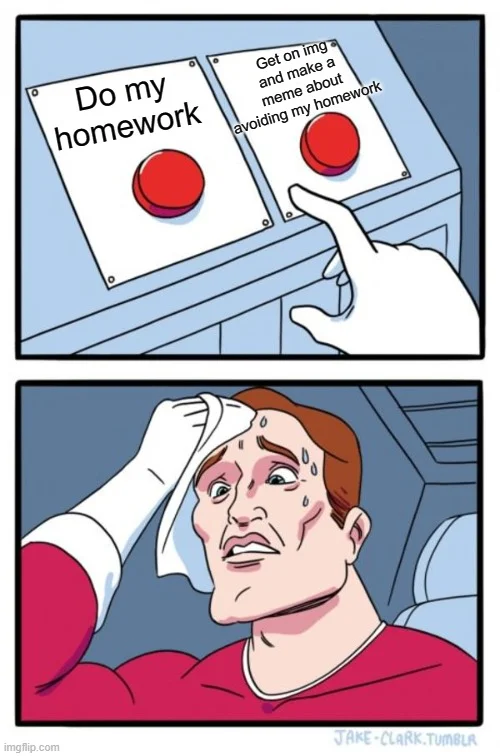
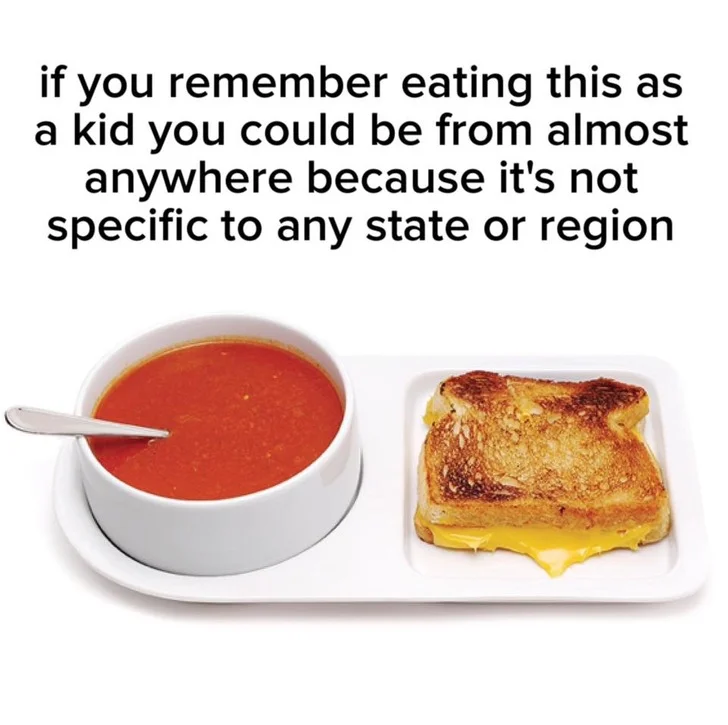
What makes something legibly a meme today is usually a recognizable shell (a stock image, a phrase, a video clip) filled with new content that only makes sense if you already know the reference[2]. Urban Dictionary entries capture the vernacular read: jokes with a shelf life of a couple of days, an inside language for people who spend a lot of time online[3]. The academic definition and the internet definition now coexist, with the second one doing most of the everyday work[2].
How It Spread
With the commercialization of the internet in 1995, the label 'meme' attached itself to media that traveled through email chains, early web forums, and image boards, and later social networking sites[2]. Chat clients, blogs, and forums became the first big incubators, with catchphrases and reaction images mutating into new derivatives every time they hopped platforms[2]. Early YouTube uploads from the mid-2000s onward gave video memes their own distribution channel, with countless compilations and 'various examples' clips racking up views[4].
Governments eventually noticed. In April 2015 Russia introduced what became known as the Russian Anti-Meme Law, banning doctored image macros of public figures used out of context, after a Moscow court ruled that unauthorized meme use of singer Valeri Syutkin's image violated his privacy[2]. The move backfired abroad in classic Streisand-effect fashion, with satirical memes of Vladimir Putin spiking in the rest of the world[2].
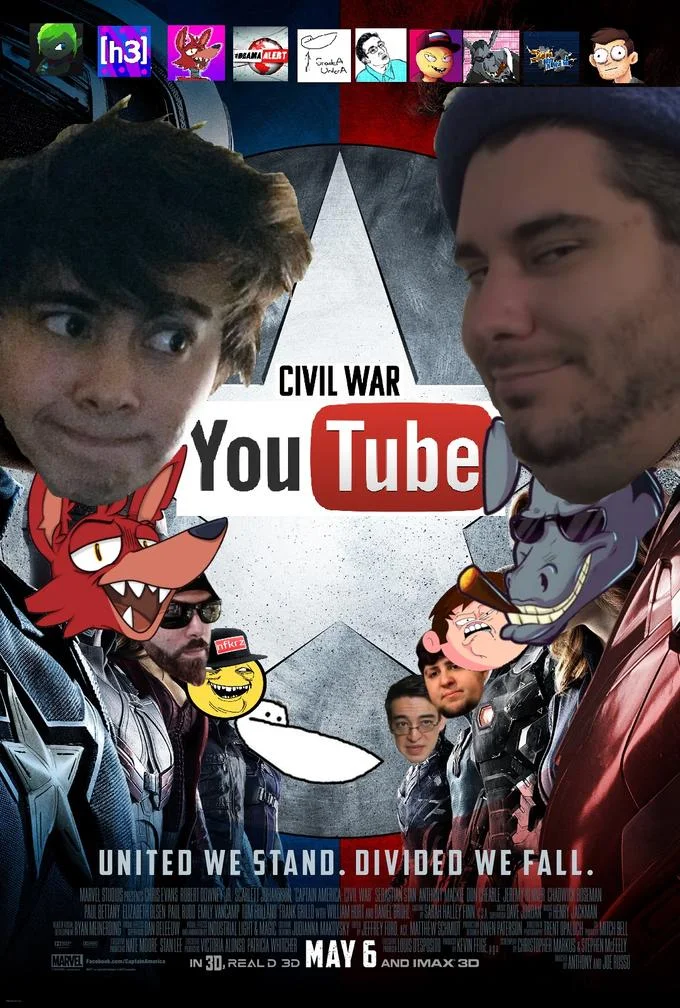
Meme culture also generated its own internal drama. #MemeGate, a late-March 2016 feud between YouTubers LeafyIsHere and Ethan Klein of h3h3productions, centered on accusations that Leafy cyberbullied young and disabled vloggers and that Klein was hypocritical, and it became one of the earliest big meta-arguments about meme ethics on YouTube[2].
How to Use
There is no single template for 'memes' as a whole, but the common convention is to take a recognizable format (an image macro, catchphrase, or short video) and swap in new context that speaks to a current joke, event, or subculture[2]. Users typically pair a familiar visual or line with fresh text or a new situation, trusting that the audience recognizes the original well enough to enjoy the twist[3].
Frequently Asked Questions
What is Memes?
Memes are units of cultural information (jokes, images, catchphrases, videos) that spread and mutate from person to person, especially online[1][2].
Where did Memes come from?
The word was coined by evolutionary biologist Richard Dawkins in his 1976 book The Selfish Gene, from the Greek mimema, 'something imitated'[1].
What does Memes mean?
In Dawkins' original sense, a meme is a self-replicating unit of culture subject to selection[1]; online, the word usually refers to viral images, videos, and catchphrases[2].
How do you use Memes?
People typically remix a recognizable format (image macro, catchphrase, or clip) with new context that fits a current joke or event[2][3].
Is Memes still popular?
Yes, the term is standard vocabulary for internet culture and covers everything from image macros to short-form video formats spread across social platforms[2].