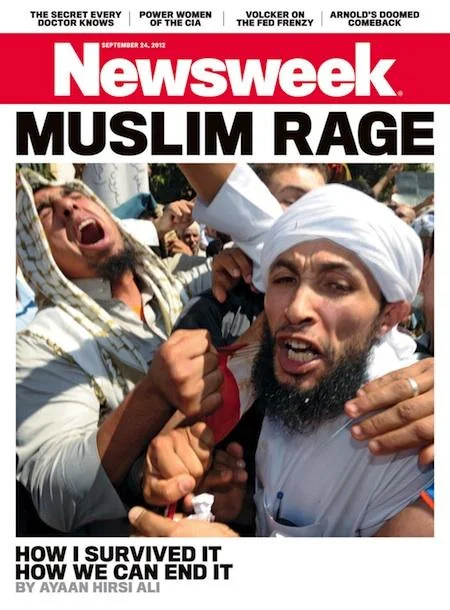
Innocence of Muslims is an anti-Islam film whose 13-minute YouTube trailer sat obscure from July 2012 until an Arabic dub aired on Egyptian television that September, triggering deadly protests across the Muslim world and inspiring the sarcastic #MuslimRage hashtag revolt that turned Newsweek's cover story into a punchline.
Origin
On July 2, 2012, a YouTube account under the handle SamBacile uploaded two 13-minute clips titled "The Real Life of Muhammad" and "Muhammad Movie Trailer," both cut from a feature called Innocence of Muslims[2]. The film had been shot in California in 2011 under the working title Desert Warrior, and about 80 cast and crew later said in a joint statement that the anti-Islam dialogue and references to Muhammad were dubbed in during post-production without their knowledge or consent[4].
The Associated Press identified the producer as Nakoula Basseley Nakoula, a 55-year-old Egyptian-born Coptic Christian from Cerritos, California, with earlier bank fraud convictions and a stack of aliases including Nicola Bacily and Erwin Salameh[1].
- Platform: YouTube / Egyptian TV (viral spread)
- Creator: Nakoula Basseley Nakoula (as Sam Bacile)
- Date: 2012
Overview
The internet story of Innocence of Muslims has two halves. The first is the video itself, a 13-minute clip credited to a mystery YouTuber calling himself Sam Bacile that showed scenes many Muslims found offensive to the Prophet Muhammad[2]. The second is the online counter-reaction: after Newsweek posted a #MuslimRage tweet on September 17, 2012, Twitter users flooded it with jokes about missed prayers and spilled tea rather than serious commentary[3].
Reporters spent weeks unwinding the producer's aliases, the film's fake director credit, and the mystery YouTube handle behind the upload; the resulting news cycle became the main way most Western readers ever encountered the film[1].
How It Spread
The clips drew little notice until early September 2012, when an Arabic-dubbed version aired on the Egyptian channel Al-Nas on September 8 and Egyptian bloggers pushed it into wider circulation[4]. On September 11, mobs stormed U.S. diplomatic sites in Cairo and Benghazi; the Libyan attack killed four Americans, including Ambassador J. Christopher Stevens, and reporters identified Nakoula as the film's producer within days as demonstrations spread across the Muslim world[1].
On September 17, Newsweek ran an Ayaan Hirsi Ali cover essay titled "Muslim Rage" and posted a tweet asking readers to weigh in with the hashtag #MuslimRage[3]. Within about half an hour, the tag was overrun with sarcastic tweets about petty annoyances, prayer mishaps, and mundane frustrations rather than the debate Newsweek had asked for, a swing that news outlets covered as its own story that same day[4].
Frequently Asked Questions
What is Innocence of Muslims?
Innocence of Muslims is an anti-Islam film whose 13-minute YouTube trailer, uploaded in July 2012 by an account calling itself Sam Bacile, later triggered deadly protests across the Muslim world[2].
Where did Innocence of Muslims come from?
The film was shot in California in 2011 under the working title Desert Warrior; producer Nakoula Basseley Nakoula, a Coptic Christian from Cerritos, uploaded the anti-Islam cut to YouTube on July 2, 2012[1].
What does Innocence of Muslims mean?
In internet culture, the name is shorthand less for the film than for its aftermath: the September 2012 protests, the Benghazi attack, and Newsweek's #MuslimRage cover tag that Twitter users turned into a joke[3].
How do you use Innocence of Muslims?
It is not a meme format people copy; it is an event people cite when discussing YouTube censorship, viral video diplomacy, or the trail of aliases Nakoula used to hide his role in the film[1].
Is Innocence of Muslims still popular?
The film is remembered as a 2012 event rather than an active meme; its main online legacy is the sarcastic #MuslimRage backlash Twitter mounted against Newsweek that September[3].