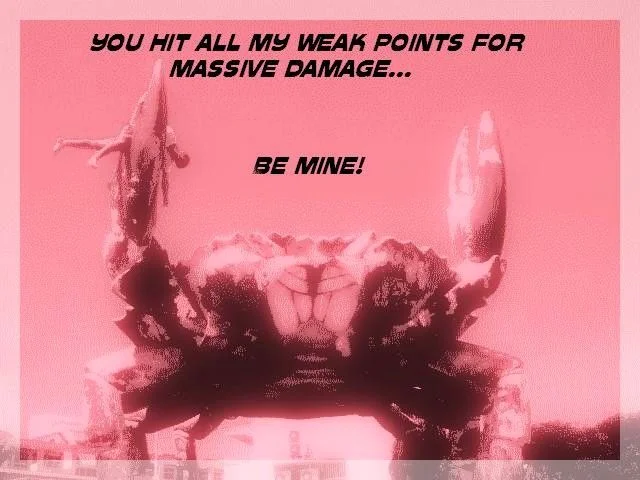
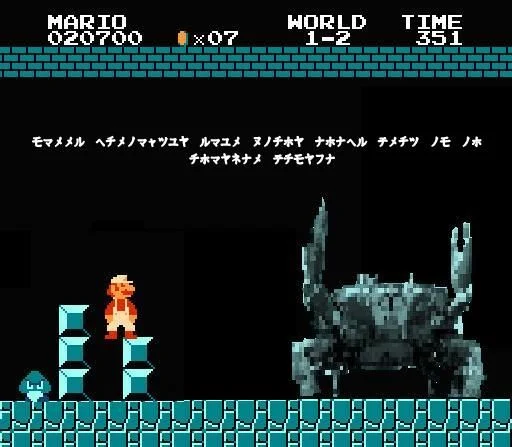
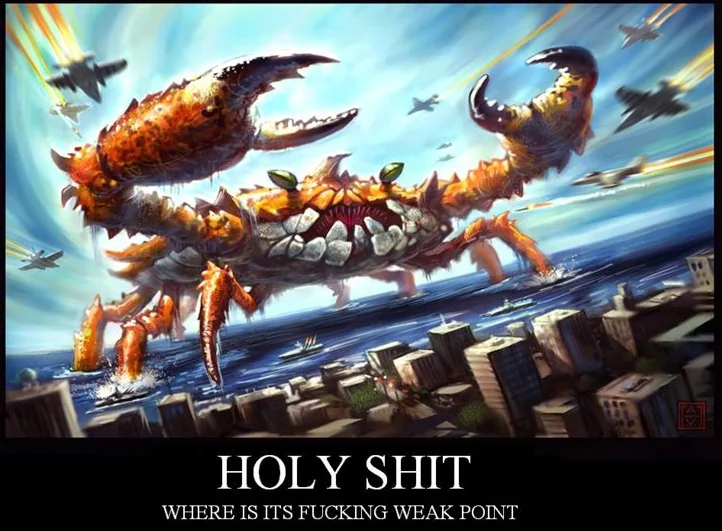
Giant Enemy Crab is a catchphrase that came out of Sony's disastrous E3 2006 press conference, where a producer described a Genji: Days of the Blade boss fight as being based on real Japanese history. The clip, along with lines like "attack its weak point for massive damage" and "$599," became one of the most mocked moments in video game marketing.
Origin
Sony's press conference took place at Sony Pictures Studios in Culver City on May 8th, 2006, hosted by SCEA president Kazuo Hirai with producer Bill Ritch presenting Genji: Days of the Blade[3]. Ritch told attendees the sequel's battle scenes were based on "famous battles which actually took place in ancient Japan," then a demo rolled showing the giant enemy crab boss, which players were instructed to "attack its weak point for massive damage"[3].
The $599 launch price for the 60GB PS3 was announced in the same show, and the combination of gouging, awkward stage delivery, and a fictional crab boss sold as history turned the presentation into an instant punchline on gaming forums[1].
- Platform: Sony E3 press conference (source) / YouTube and gaming forums (viral spread)
- Creator: Bill Ritch (Sony producer who delivered the line)
- Date: 2006
Overview
Giant Enemy Crab is the nickname for a mid-level boss shown during Sony's E3 2006 press conference for the PlayStation 3 launch title Genji: Days of the Blade[3]. The moment became a meme because Sony pitched the game as being grounded in actual Japanese history seconds before the demo cut to a samurai fighting a house-sized crustacean[1].
The crab is usually paired with two other quotes from the same show: producer Bill Ritch telling the audience to "attack its weak point for massive damage," and Kaz Hirai's shouted "Riiiiidge Racer!" plug for the PSP[1]. Together with the $599 PS3 price reveal, they became shorthand for everything wrong with Sony's E3 that year[3].
How It Spread
YouTuber Macaw45 uploaded one of the first remixes on May 14th, 2006, cutting the crab clip together with the "$599" and "Ridge Racer" callouts into a loop that gaming blogs kept reposting for years[2]. The Eurogamer forums ran long threads picking apart the presentation line by line, with "Riiiiidge Racer" and Giant Enemy Crab as the two lines everyone quoted back[1].
Within weeks the phrases spread to TeamXbox, GameSpot and IGN comment sections, and a browser game called Giant Enemy Crab Battle went up on Newgrounds[3]. "Attack its weak point for massive damage" broke out of the gaming crowd on its own and is still quoted whenever a boss has an obvious glowing spot[3].
The Genji clip is now standard footage in E3 retrospectives and "worst press conference" video essays, usually paired with Sony's 2013 PS4 reveal as the karmic reversal[2].
How to Use
The line is typically dropped as a mock-serious voiceover whenever a game presents an absurdly large enemy, or as a reply when a company oversells a mundane feature. "Attack its weak point for massive damage" is common convention for calling out obvious weak spots in any game, and "$599" often gets recycled when a new console price leaks.
Frequently Asked Questions
What is E3 Sony 2006 Giant Enemy Crab?
It is a boss enemy from Genji: Days of the Blade shown during Sony's E3 2006 press conference, which became a running joke after Sony billed the game as historically accurate[3].
Where did E3 Sony 2006 Giant Enemy Crab come from?
From Sony's May 8th, 2006 press conference at Sony Pictures Studios, where producer Bill Ritch introduced the Genji sequel demo[3].
What does E3 Sony 2006 Giant Enemy Crab mean?
It is shorthand for corporate marketing that oversells a product, usually quoted alongside "attack its weak point for massive damage" and the $599 PS3 price[1].
How do you use E3 Sony 2006 Giant Enemy Crab?
People quote the crab, the weak point line, or "Riiiiidge Racer" whenever a game reveal feels unintentionally silly or a boss has an obvious glowing target[2].
Is E3 Sony 2006 Giant Enemy Crab still popular?
The clip is still a fixture of E3 retrospectives and worst-press-conference lists, and the weak-point line is still quoted in gaming communities[2].