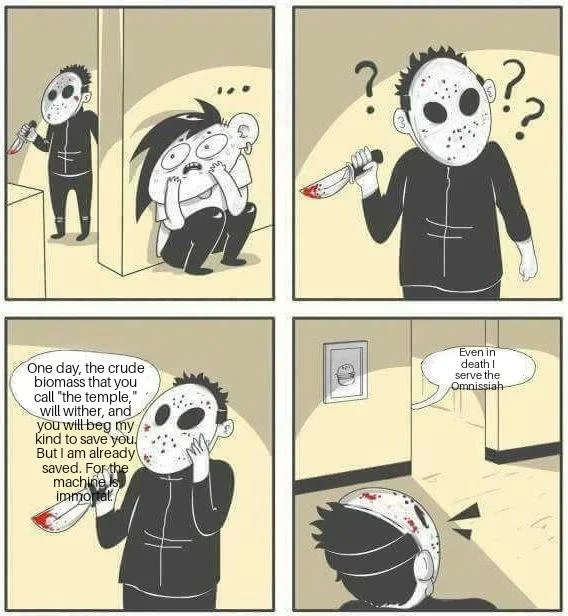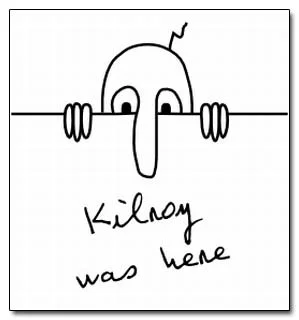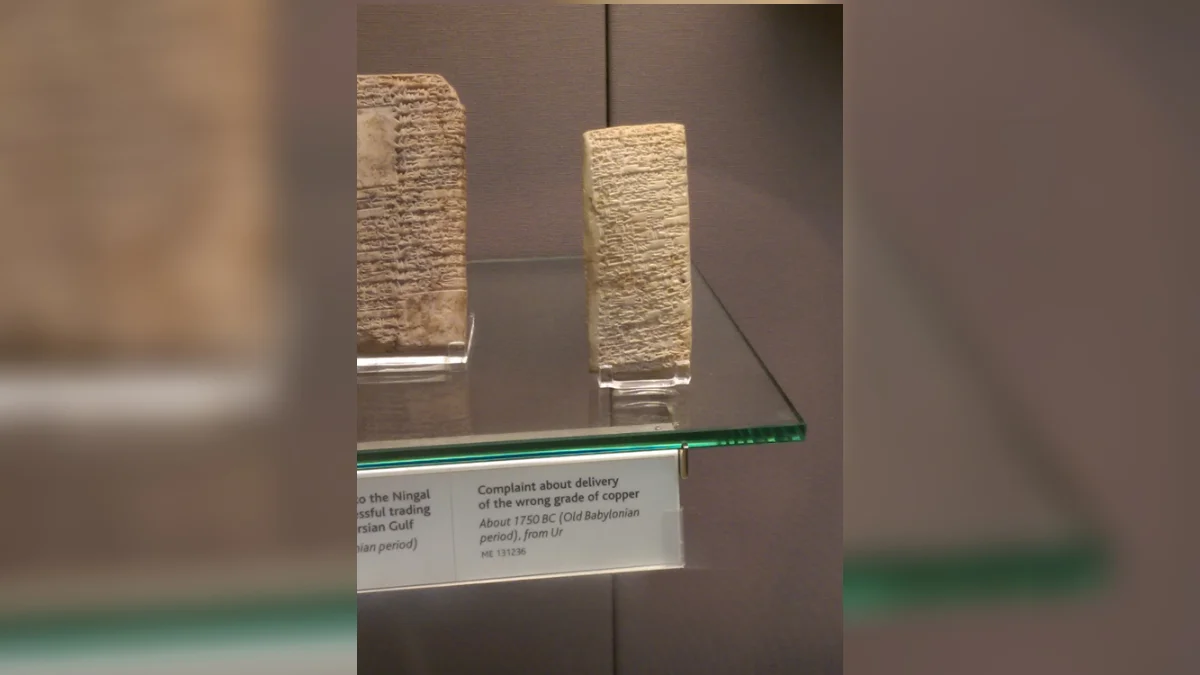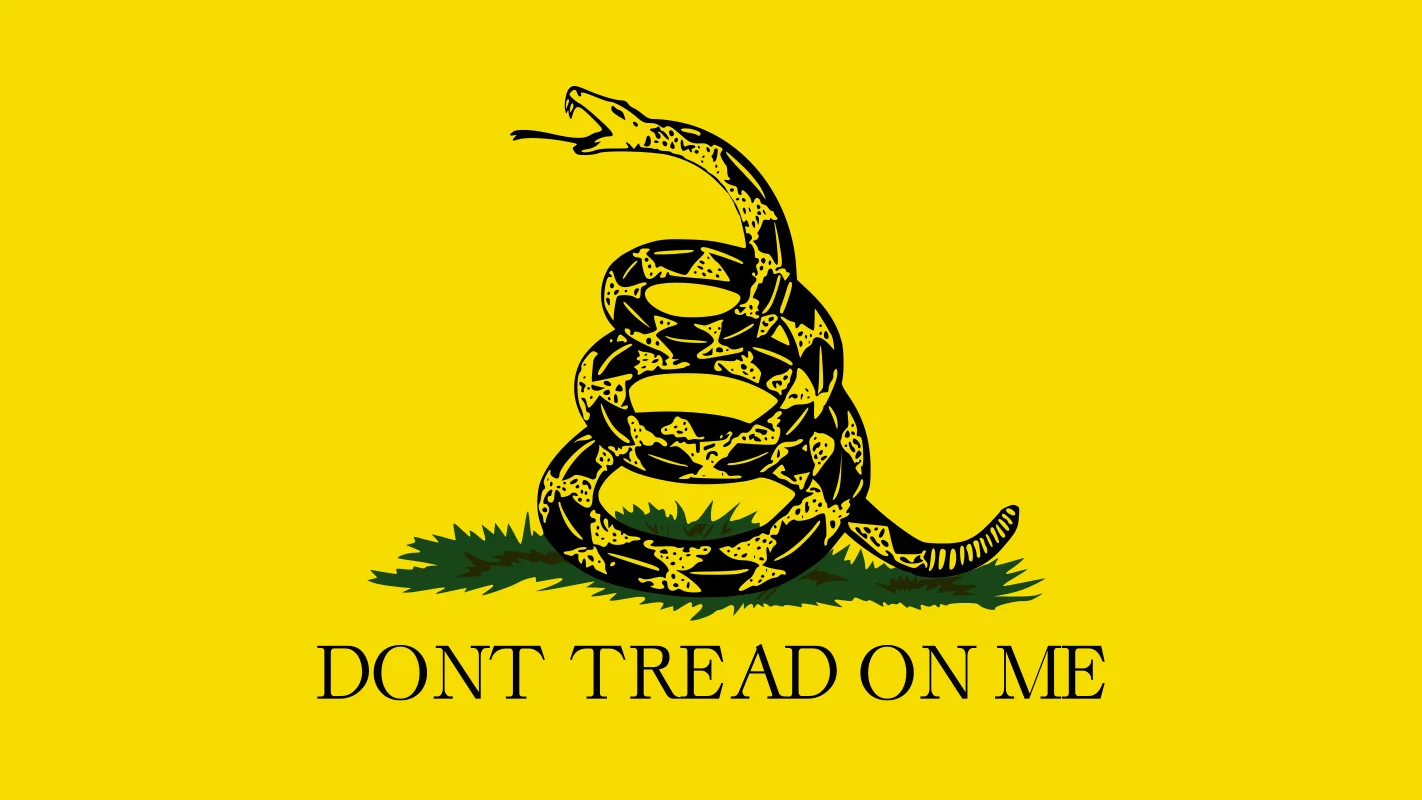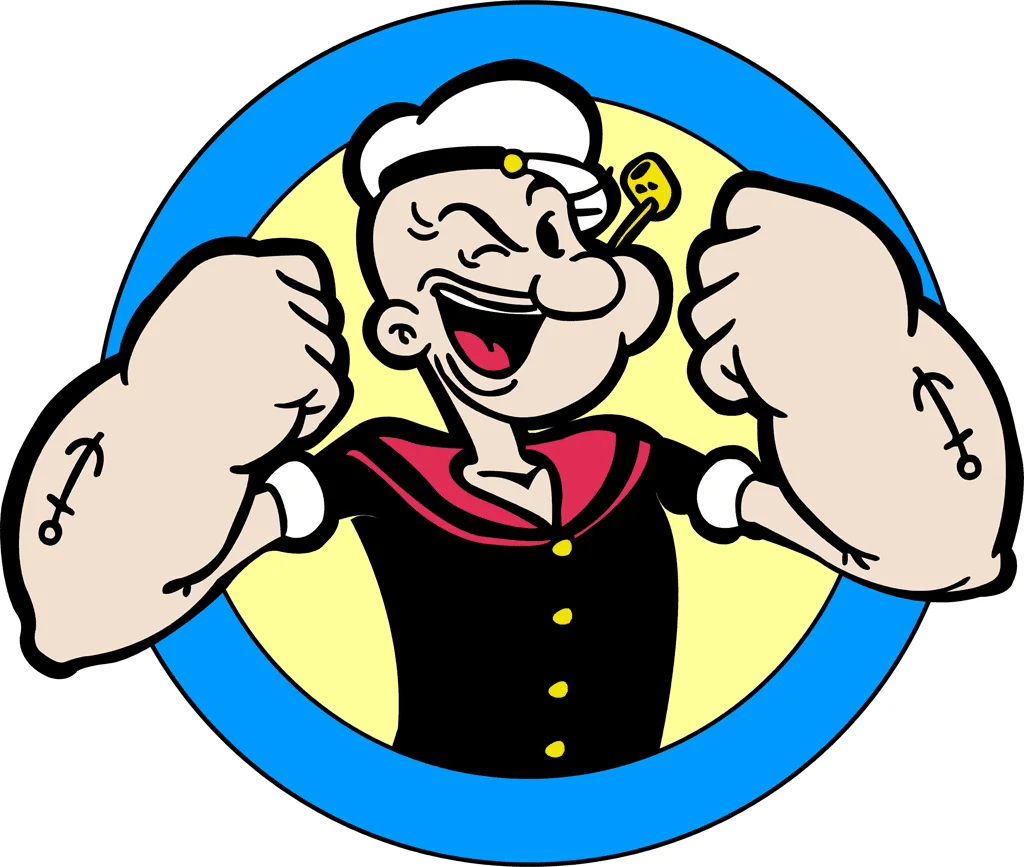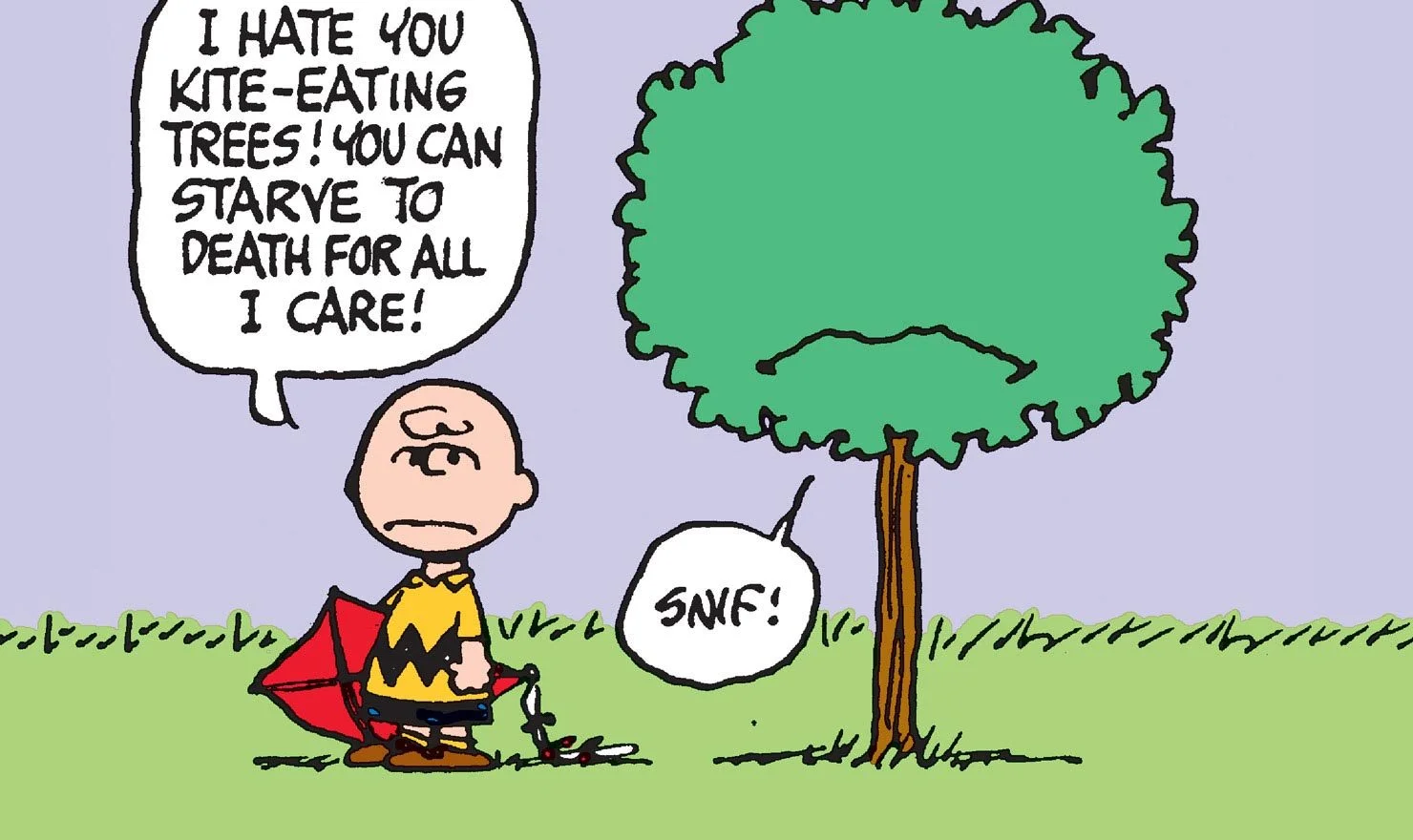
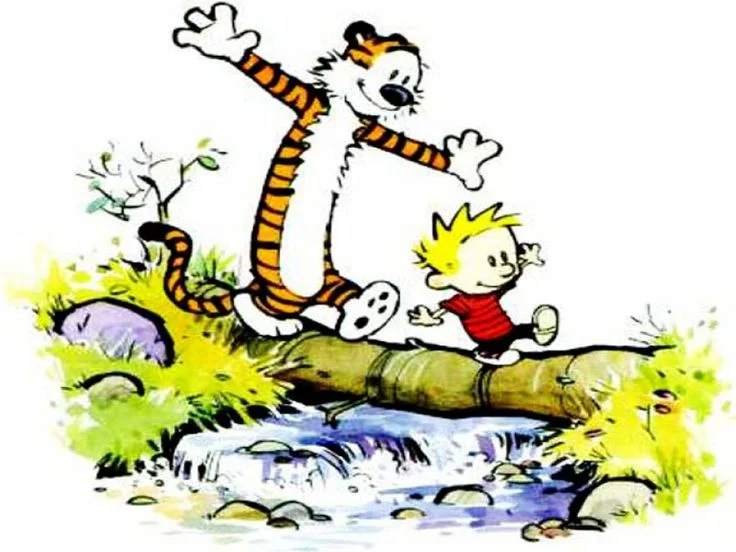
Comic Strips are sequences of drawn panels that deliver brief jokes or short narratives, usually serialized and marked by speech balloons and captions[3]. The format started in late 19th century newspapers and later shaped how internet-era visual humor delivers sequential punchlines[1].
Origin
Comic Strips as a distinct newspaper feature took hold in American papers in the late 1800s, when publishers competed for readers with regular illustrated features[1]. Daily papers used illustrated humor and recurring characters to build readership, and by the early 20th century the format was widely serialized and syndicated across United States newspapers[3]. Sunday editions carried expanded color pages that gave strips more room for elaborate art and longer story arcs[1].
- Platform: Newspapers (print origin) / Web (meme adaptation)
- Creator: Unknown
- Date: 1895
Overview
Comic Strips are drawings arranged in interrelated panels that display brief humor or form a narrative[3]. Panels are read in sequence, with speech balloons carrying dialogue and captions carrying framing text[3]. Serialization is common, meaning the same characters can recur across strips over days, weeks, or years[1].
The panel structure sits at the root of much internet visual humor. Web comics, four-panel gag layouts, image-macro strips, and reaction panel edits all borrow structural cues from the newspaper comic strip[1].
How It Spread
As newspaper readership shifted online through the 1990s and 2000s, comic strips followed cartoonists onto personal sites and later platforms like Tumblr and Instagram[1]. Meme-native panel formats, including rage comics on Reddit and short reaction strips on Twitter, adopted the same visual grammar the newspaper strip established[3].
Slang built on the format too. Urban Dictionary defines "comic strip-mining" as exhaustive, erosive excavation of a joke, riffing on the serialized layout of the strip[2].
How to Use
A typical strip runs from two to six panels, opening with a setup, escalating in the middle, and closing on a punchline in the final panel[1]. Speech balloons carry dialogue, captions carry framing, and the joke is often visual rather than verbal[3].
Frequently Asked Questions
What is Comic Strips?
Comic Strips are drawings arranged in interrelated panels that display brief humor or form a narrative, typically with speech balloons and captions[3].
Where did Comic Strips come from?
The format took hold in American newspapers in the late 1800s and became a standard feature of daily papers by the early 20th century[1].
What does Comic Strips mean?
Comic Strips refers to sequential drawn panels that tell a brief joke or short story, read in order[3]. In slang, "comic strip-mining" describes exhaustively over-explaining a joke[2].
How do you use Comic Strips?
A typical strip runs two to six panels, opening with a setup, escalating in the middle, and delivering a punchline in the final panel[1]. Speech balloons carry dialogue and captions carry framing[3].
Is Comic Strips still popular?
Comic Strips are a classic form and have been widely adopted online through webcomics and panel-based meme layouts[1].