Published August 17, 2026
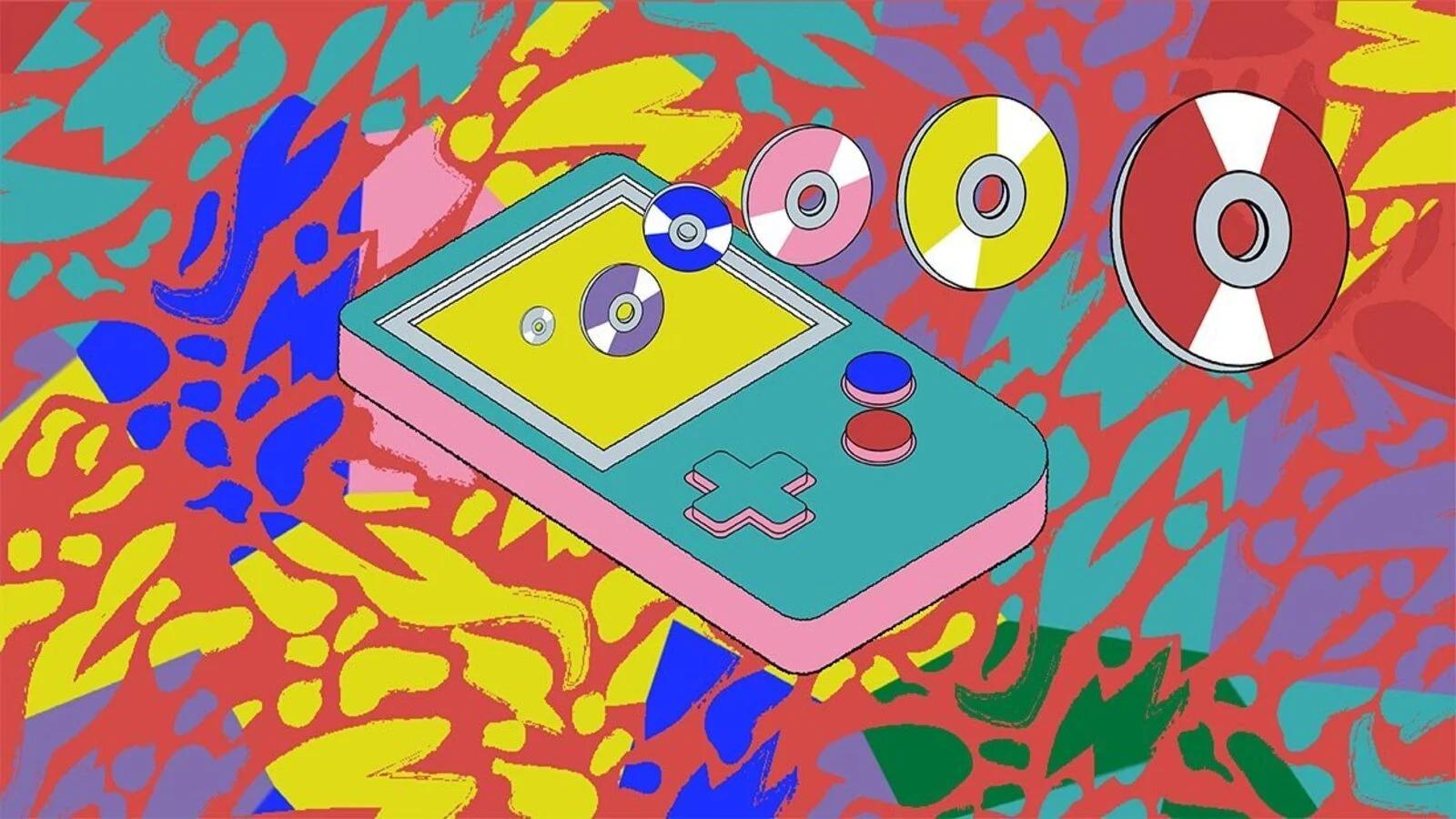
Chiptune, also called chip music, is a genre of electronic music made using sound hardware from old video game consoles like the NES, Game Boy, and Commodore 64. The aesthetic goes back to 1980s console audio chips and grew into a dedicated scene of producers and live acts by the mid-2000s, with collectives like 8bitpeoples and press coverage from outlets like The New Yorker.
Overview
Chiptune, also called chip music, is a style of synthesized electronic music made using sound hardware from old video game consoles, computer systems, and music production software[3]. Producers use waveforms like square, sine, sawtooth, pulse, and triangle to build melodies, with drums typically shaped from white noise pushed through an envelope[5]. Live acts often perform with actual Game Boys, NES units, or Commodore 64s on stage instead of laptops[5].
The New Yorker described the sound in 2013 as songs that "burbled and bleeped like aliens desperately trying to get a message through," and pointed to acts like She (the project of Swedish-Polish producer Lain Trzaska), Chicago's I Fight Dragons, and NES-powered indie group Anamanaguchi as examples across the scene's stylistic range[1].
Origin & Background
Computer-generated music dates to 1951, when the CSIRAC and Ferranti Mark 1 machines played early synthesized tones[6]. Sound chips built into 1970s and 80s home consoles like the TIA on the Atari VCS gave games their bleeping voice, but the palette people now call chiptune really came into focus with the third-generation Nintendo Entertainment System, released in the US on October 18, 1985, whose Super Mario Bros. Overworld theme became a template for the aesthetic[3].
The chiptune scene as its own movement came together around 2000. The 8bitpeoples label went online that year and grew into a hub for free chiptune releases from artists including Nullsleep, Tangible, Trash80, Bit Shifter, and glomag[2]. Software like LSDj and Nanoloop turned handheld consoles into full sequencers, letting artists write and perform tracks directly on late 80s hardware[5].
How It Spread
Bands built around the sound started forming in the early 2000s. Japanese trio YMCK later scored the Nintendo DS puzzle game PiCOPiCT, and Brooklyn's Anamanaguchi became known for shows built around a hacked NES and Game Boy alongside guitars and drums[3]. Chicago band I Fight Dragons worked the same 8-bit palette into a straight alternative rock format with vocals up front[1].
The scene grew online through the late 2000s. Free Music Archive kept a dedicated chiptune category that lets independent artists distribute under permissive licenses[4]. 8bitpeoples kept publishing free downloads from producers like Bit Shifter, glomag, Starscream, Sabrepulse, and Yerzmyey through the decade[2].
Mainstream press picked up on the sound in the early 2010s. In May 2013 The New Yorker ran a feature focused on Anamanaguchi's Endless Fantasy album and British producer Henry Homesweet's Pocket Monster EP[1]. The article opened with a scene of a woman in her seventies excitedly explaining chiptune to a younger listener at a Boston bus station, which the author took as a sign the sound had traveled well outside its niche[1].
How to Use This Meme
Producers typically build chiptune tracks either on real retro gaming machines or on modern trackers and emulators that recreate the chips[5]. Common tools include LSDj on the Game Boy and Nanoloop, and live performers like Sabrepulse, Bit Shifter, and Saskrotch are known for bringing the actual gaming machines on stage[5]. Many fans argue hardware always sounds better than software emulation, which keeps demand alive for aging Game Boys and NES units[5].
Cultural Impact
The genre grew beyond an underground scene through festivals and free-distribution collectives. Bit Festival became a recurring showcase for live chiptune acts and helped spawn subgenres like chipbreak and chipcore that mix 8-bit synth work with breakbeat and other styles[5]. Feature pieces in outlets like The New Yorker pulled in listeners well outside the retro-gaming crowd through the early 2010s[1].
Fun Facts
-
The New Yorker writer first heard about chiptune from a woman in her seventies at a Boston bus station in 2013[1]
-
8bitpeoples' roster ran to dozens of artists including Anamanaguchi, Trash80, Bit Shifter, glomag, and Starscream[2]
-
Free Music Archive keeps chiptune tracks available for royalty-free use in videos and podcasts[4]
-
Live chiptune acts sometimes tour with hacked original Game Boys running LSDj as their main instrument[5]
Derivatives & Variations
Chipbreak: chiptune blended with breakbeat drum patterns[5]
Chipcore: a heavier variant that pushes chiptune toward punk and metal energy[5]
Bit Festival: a live music festival dedicated to the chiptune scene[5]
Frequently Asked Questions
Chiptune is a genre of electronic music made using sound hardware from old game consoles and computers, built from waveforms like square, sine, and pulse[5].
Chiptune sounds trace back to old console sound chips, and by the early 2000s labels like 8bitpeoples were publishing free releases from a full roster of dedicated chiptune producers[2].
The term refers to music made with, or made to sound like, the audio chips inside vintage gaming hardware such as the NES, Atari ST, and the original Game Boy[5].
Producers make tracks on real retro machines or on tracker software that emulates them, using tools like LSDj on the Game Boy and Nanoloop[5].
Chiptune still has a dedicated scene of producers and live acts, and archives like Free Music Archive still host new independent releases in the genre[4].